HIV Community Celebration Quilts
LEEDS BHA SKYLINE | 2021
Artist Andi Walker · Quilts Courtesy of the Thackray Museum of Medicine · Participants Leeds BHA Skyline service users, activists, healthcare workers & community members · Documentary Photography Jac Callaghan
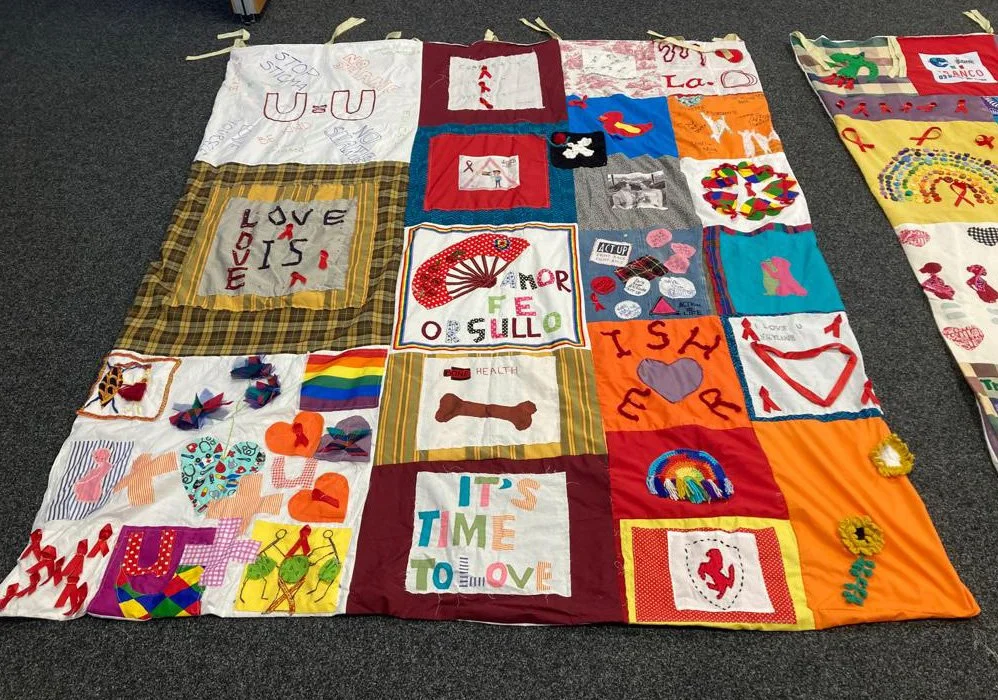
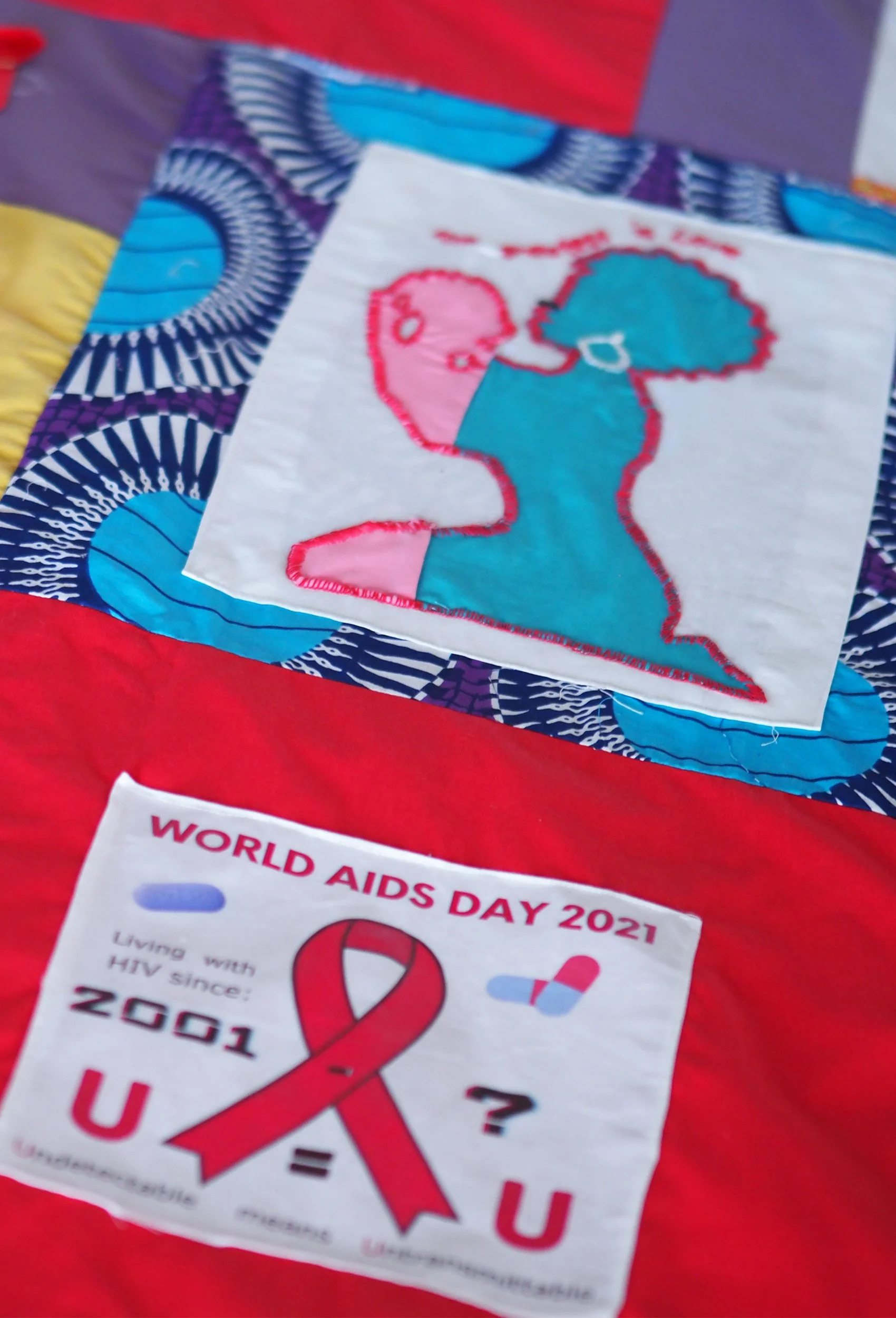
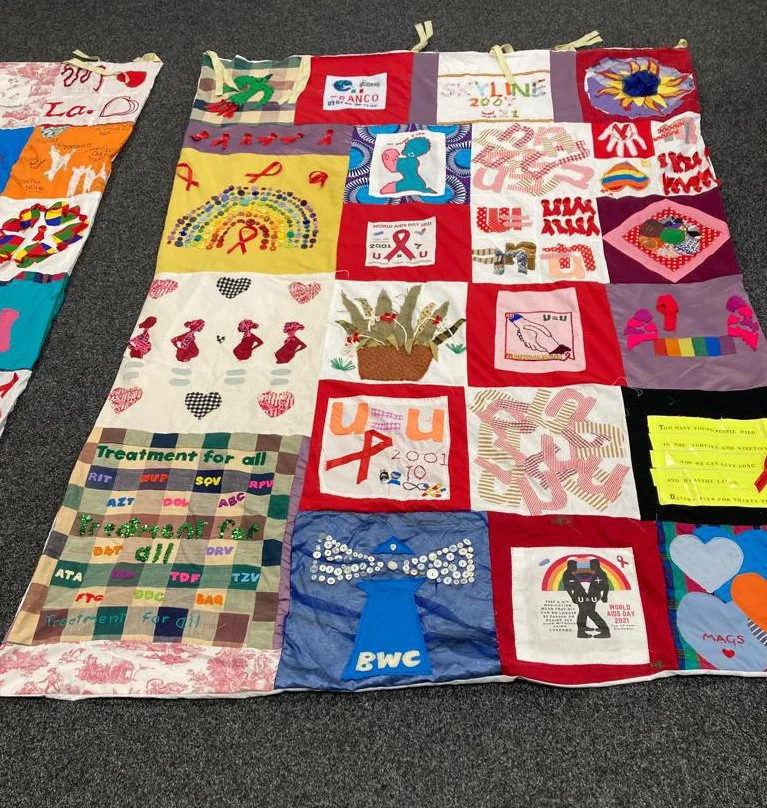
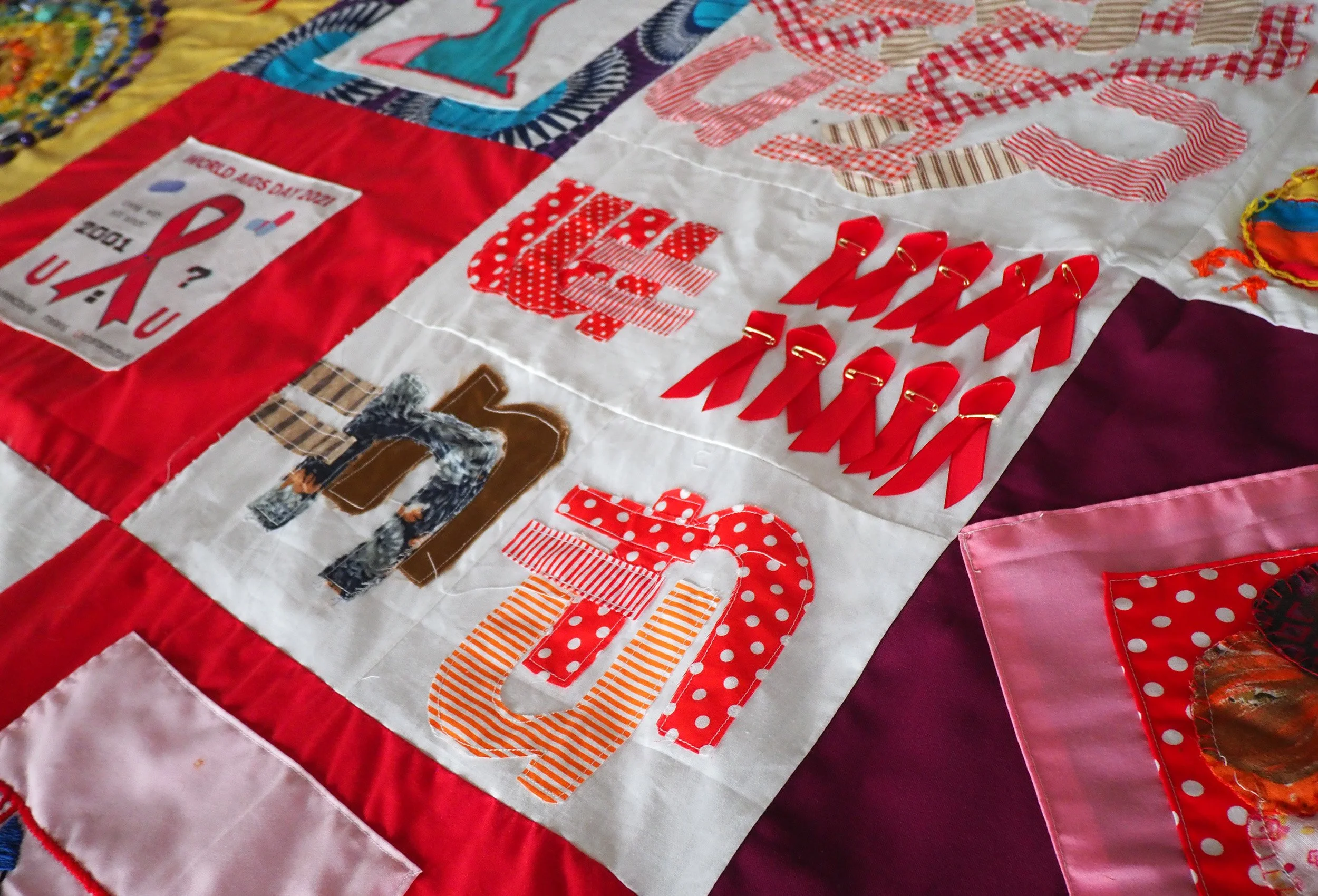
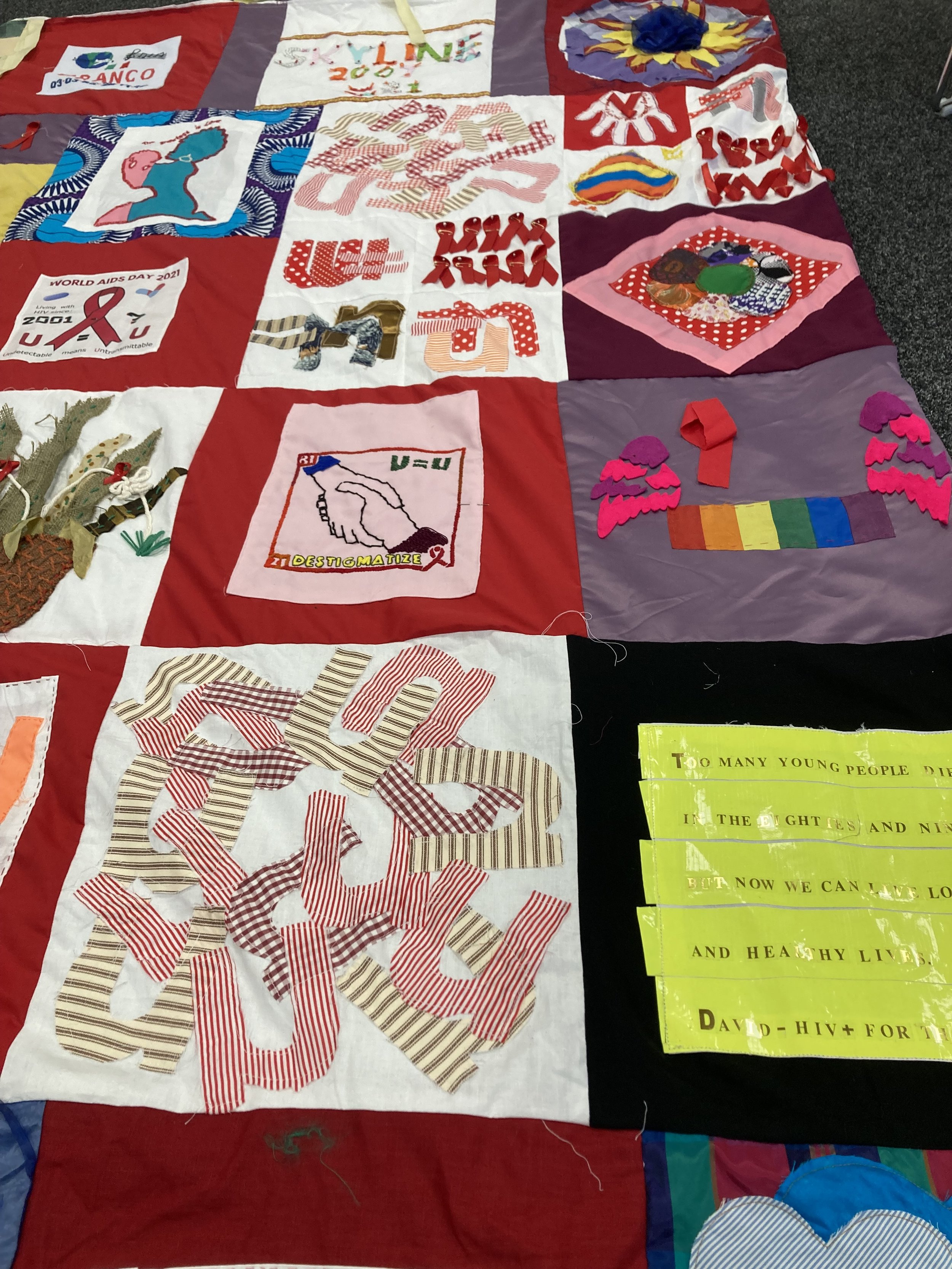
In 2021, forty years after the first recognised cases of HIV, two community quilts were created in Leeds as acts of remembrance, resilience, and celebration. They honour not only those whose lives were shaped by HIV, but the extraordinary progress in treatment and life expectancy that has transformed what it means to live with HIV today.
-
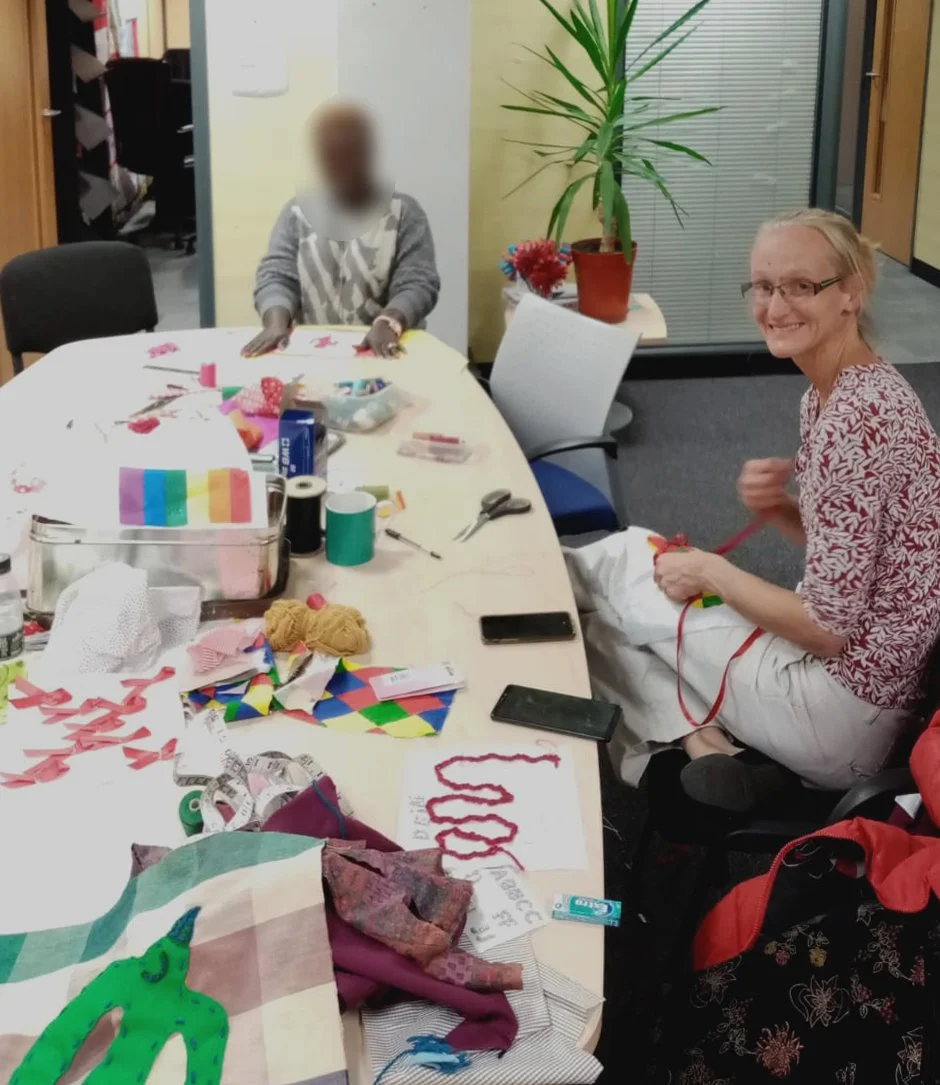
At this time, I was working as a support worker within a HIV support service in Leeds. The anniversary became an invitation; a moment for people to pause, to reflect on their journeys, their losses, their survival, and their continuing lives. Through a series of creative workshops, voices came together: service users, activists, healthcare workers, and community members who had carried the weight of this history in different ways.
As an artist, I have always been deeply moved by the original AIDS Memorial Quilts: a vast landscape created to honour those lost, to restore names where there had been silence, and to humanise lives reduced to statistics. It allowed us to reflect on our journeys, past and future ones.
-
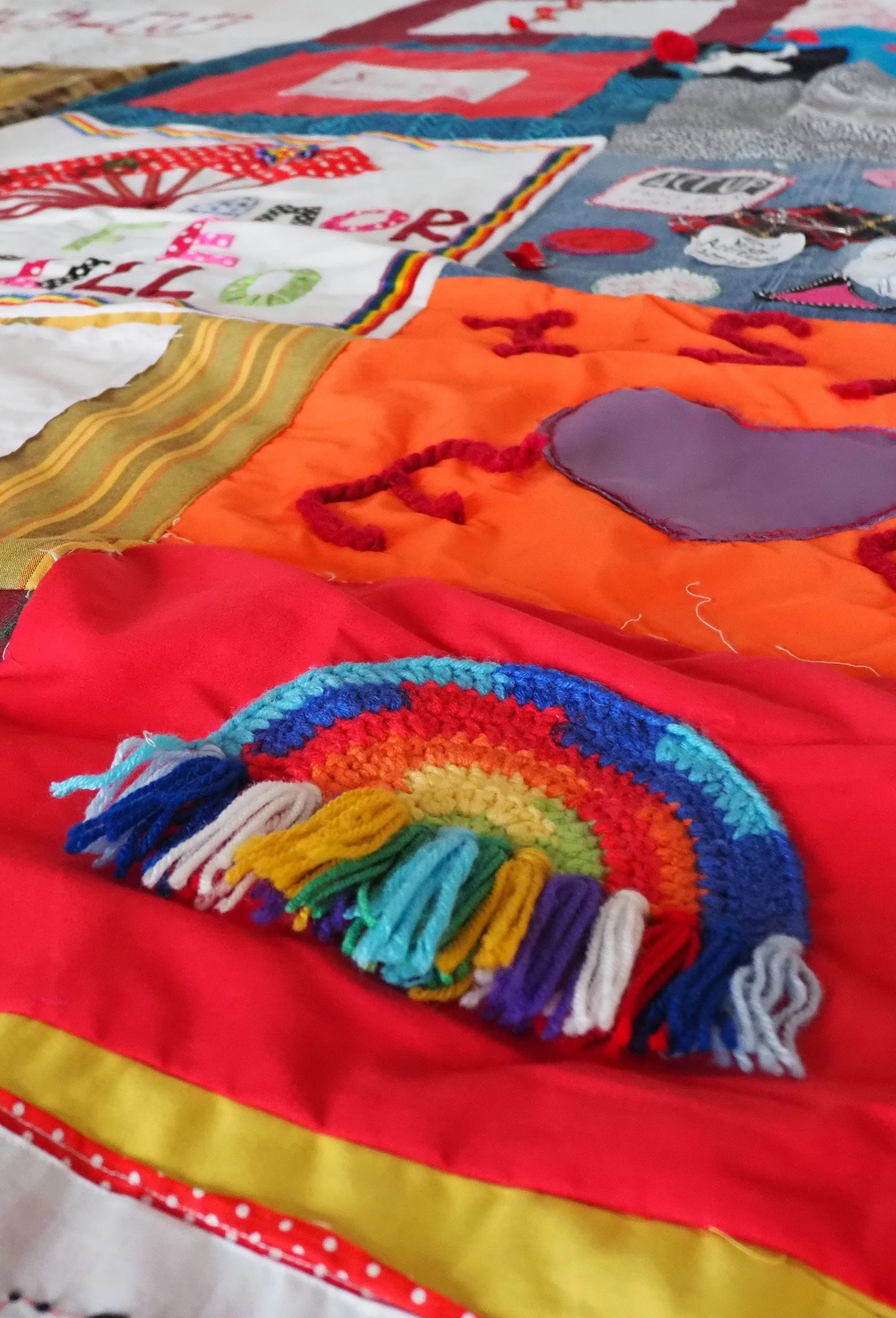
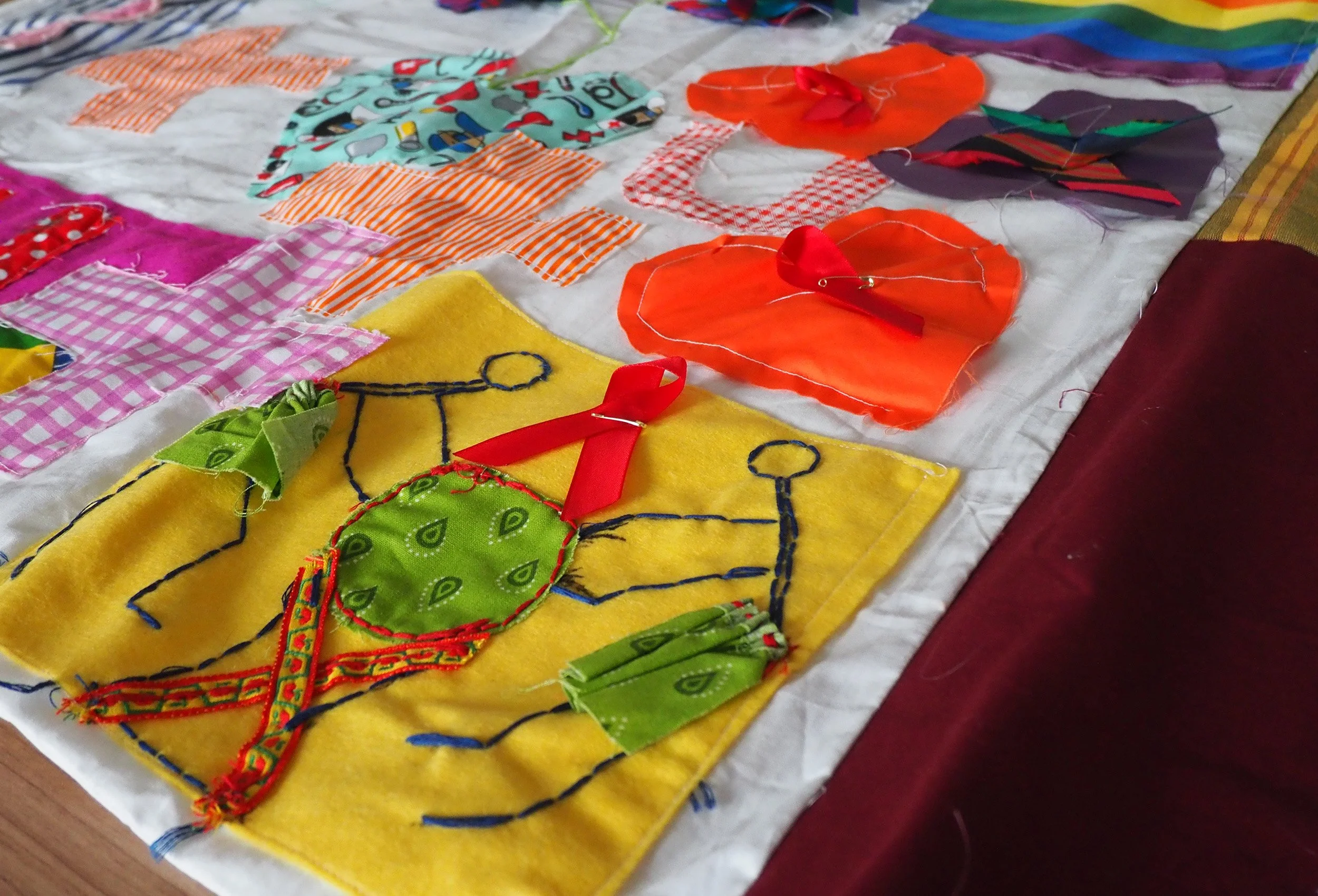
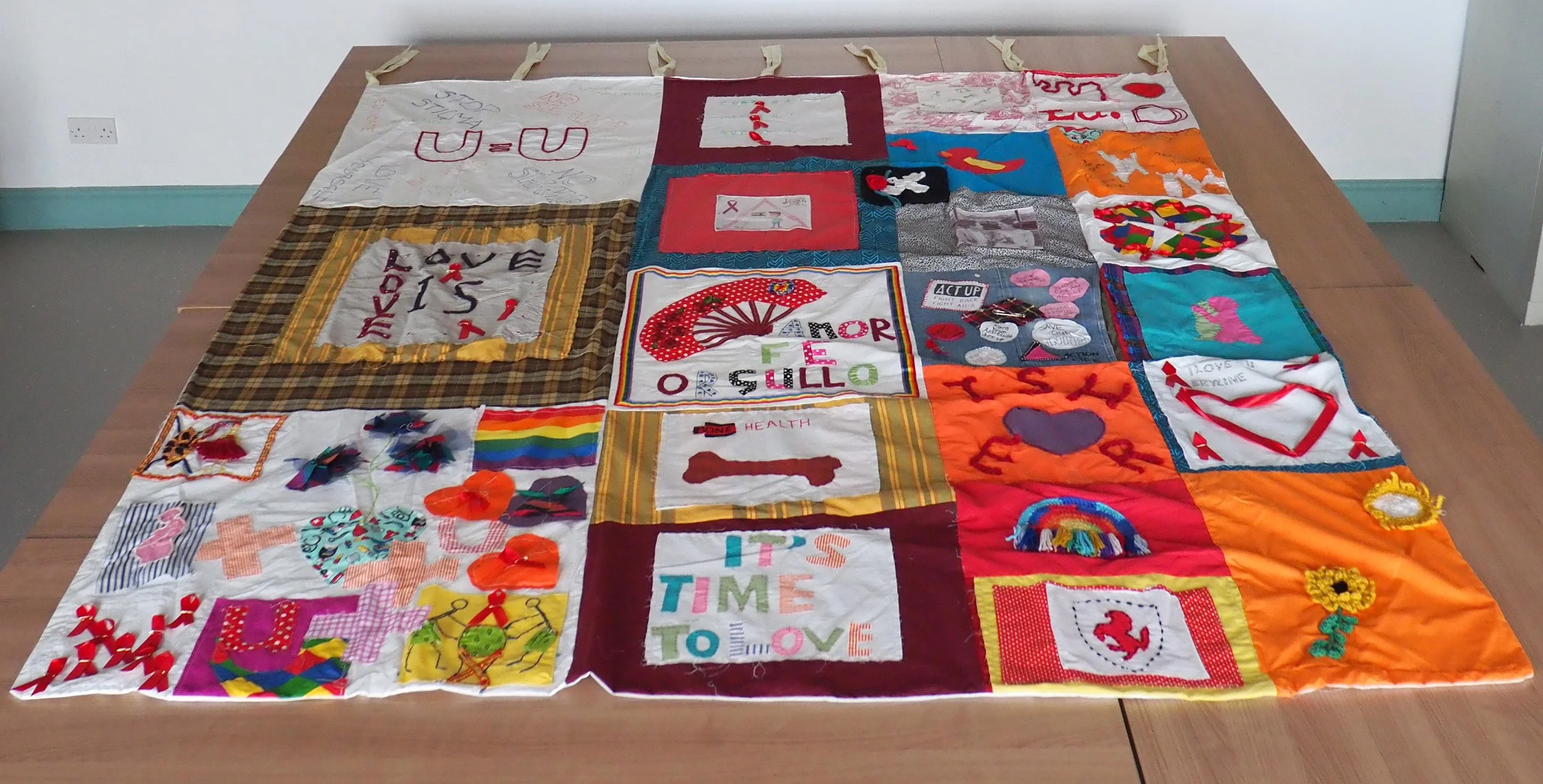
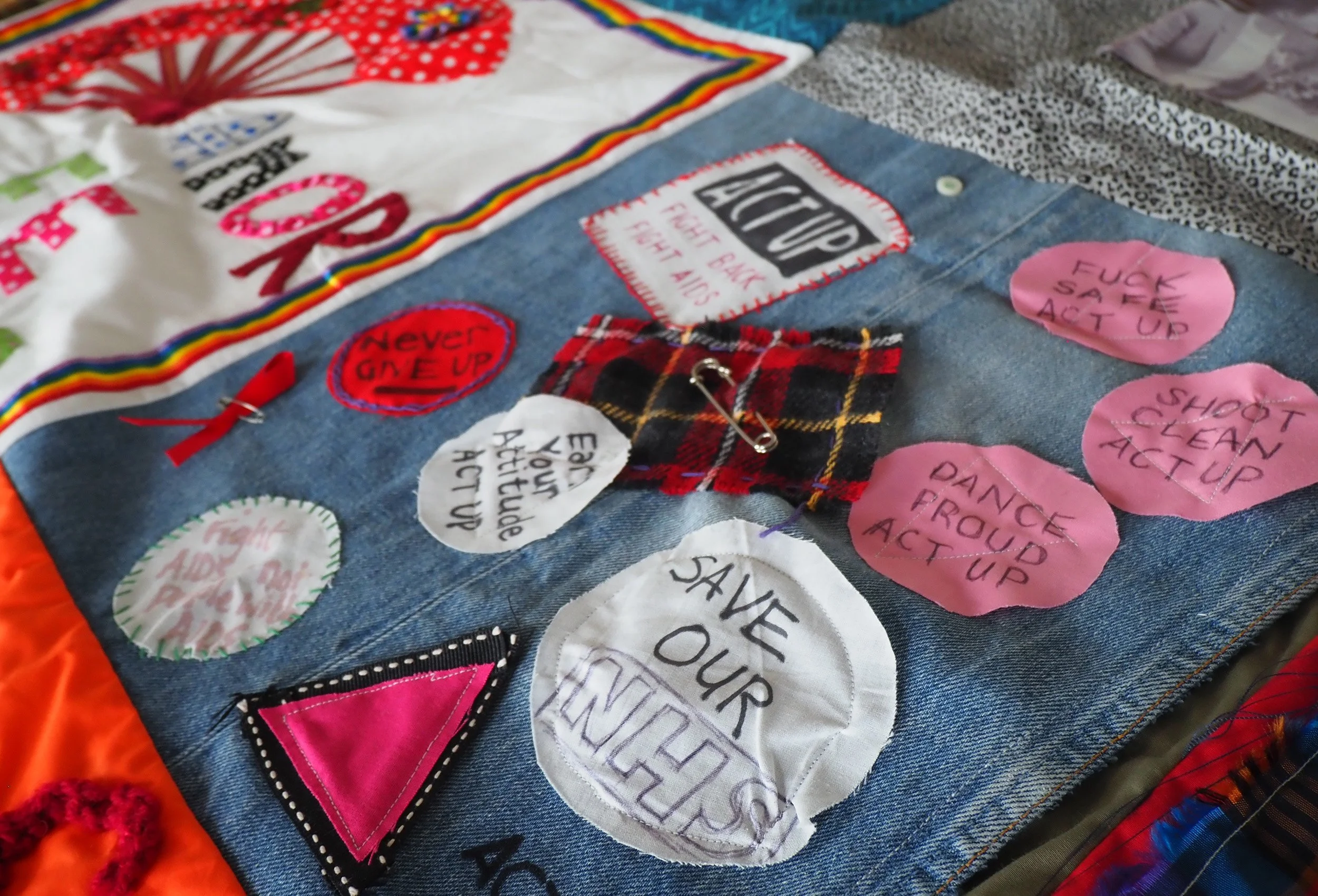
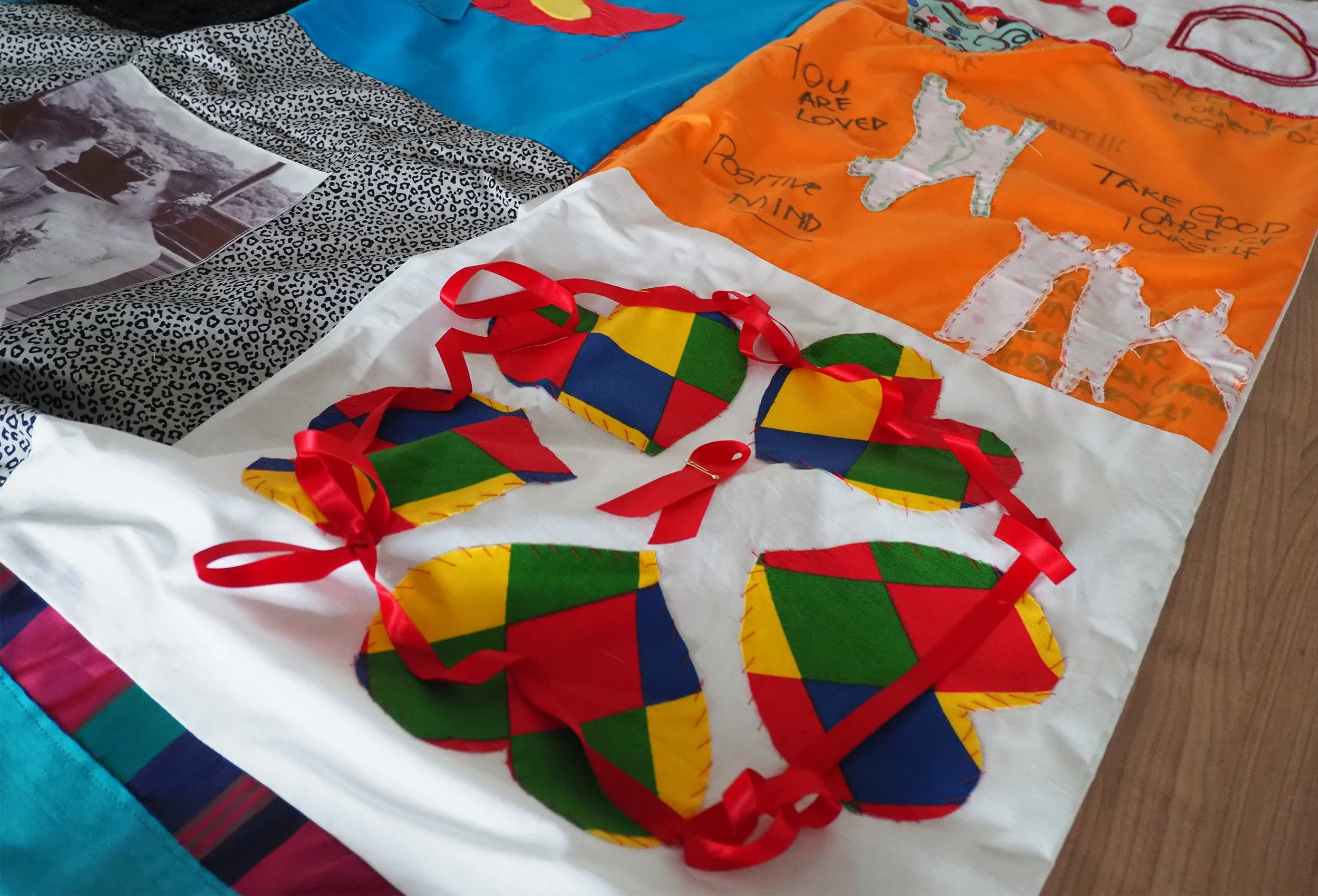
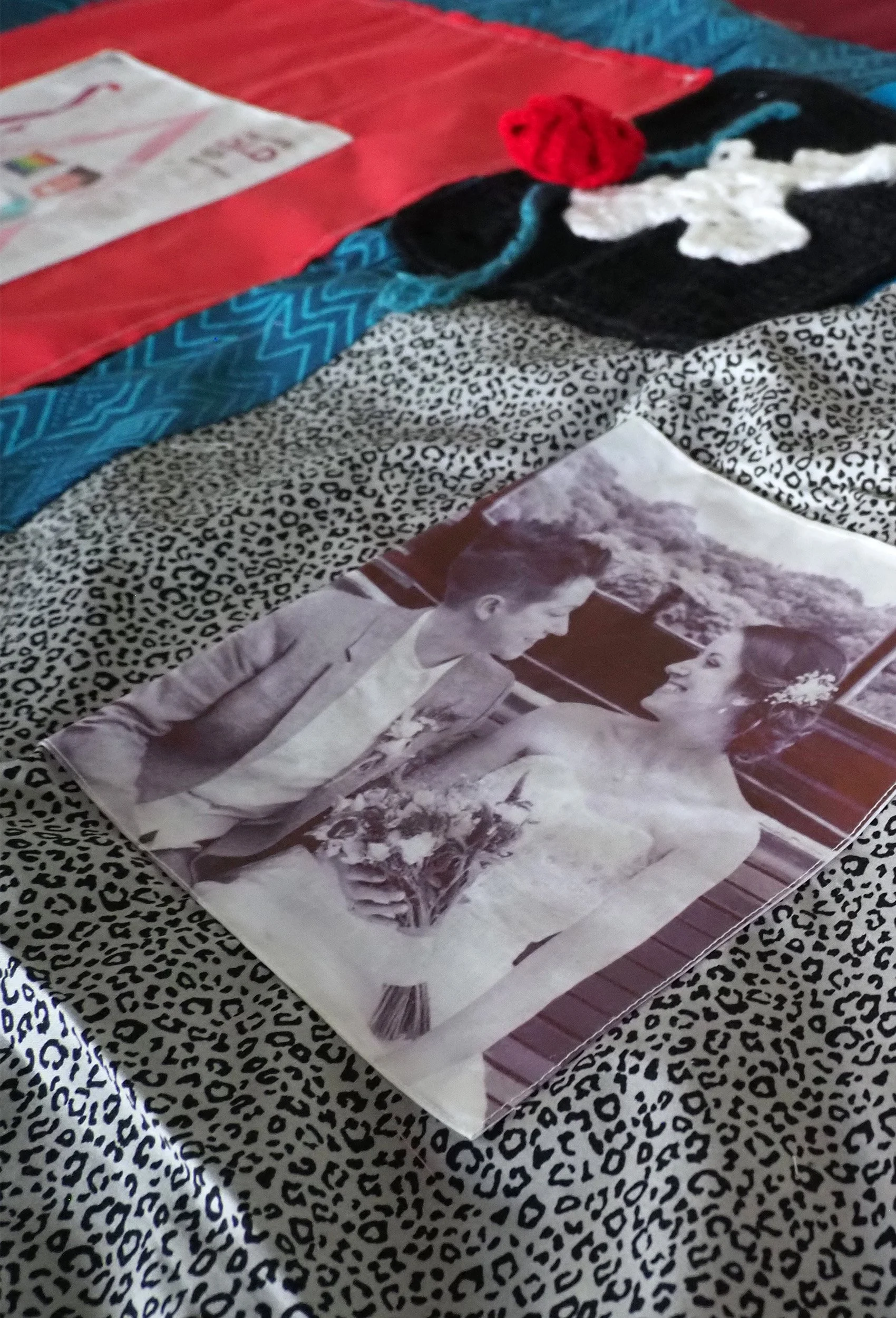
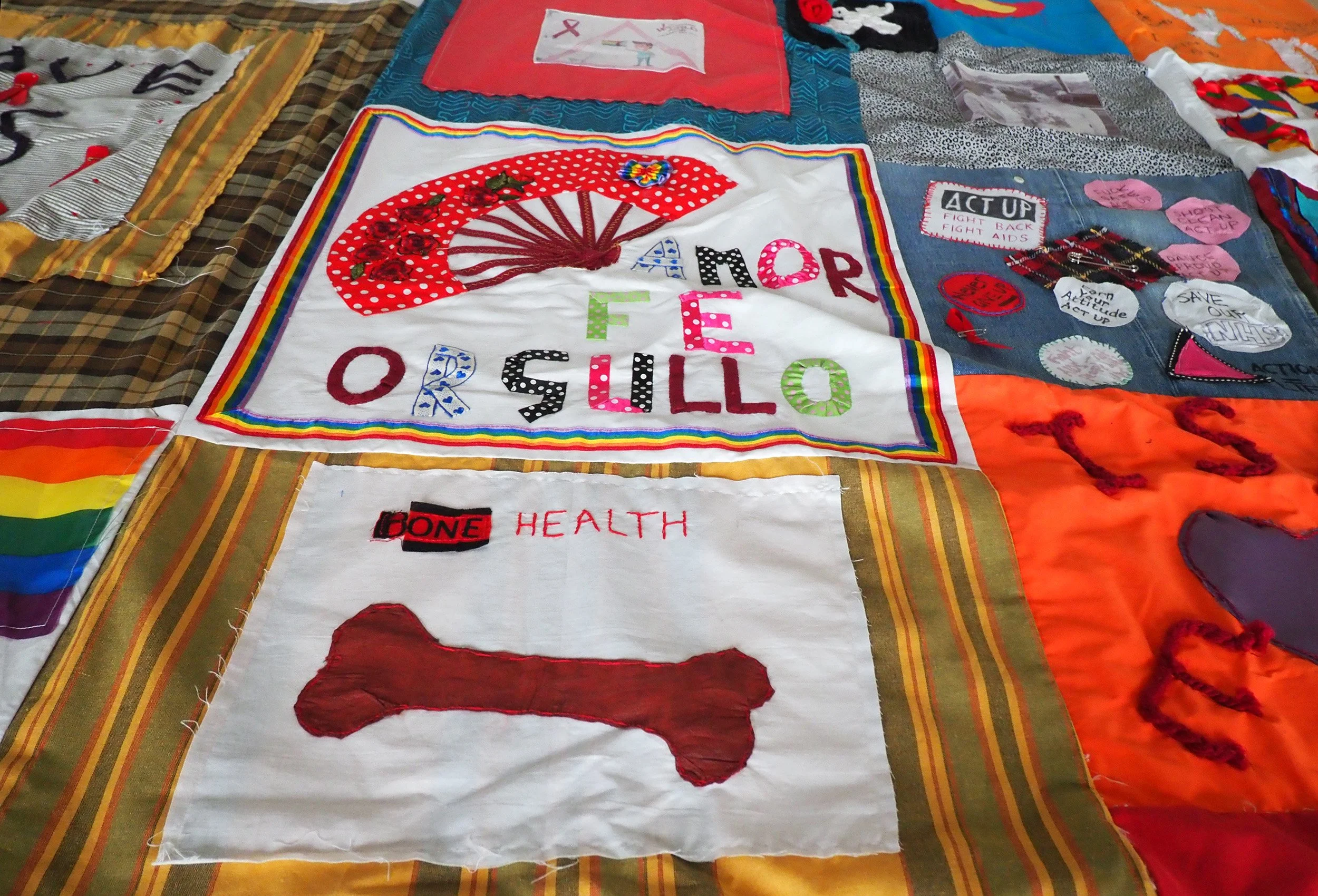
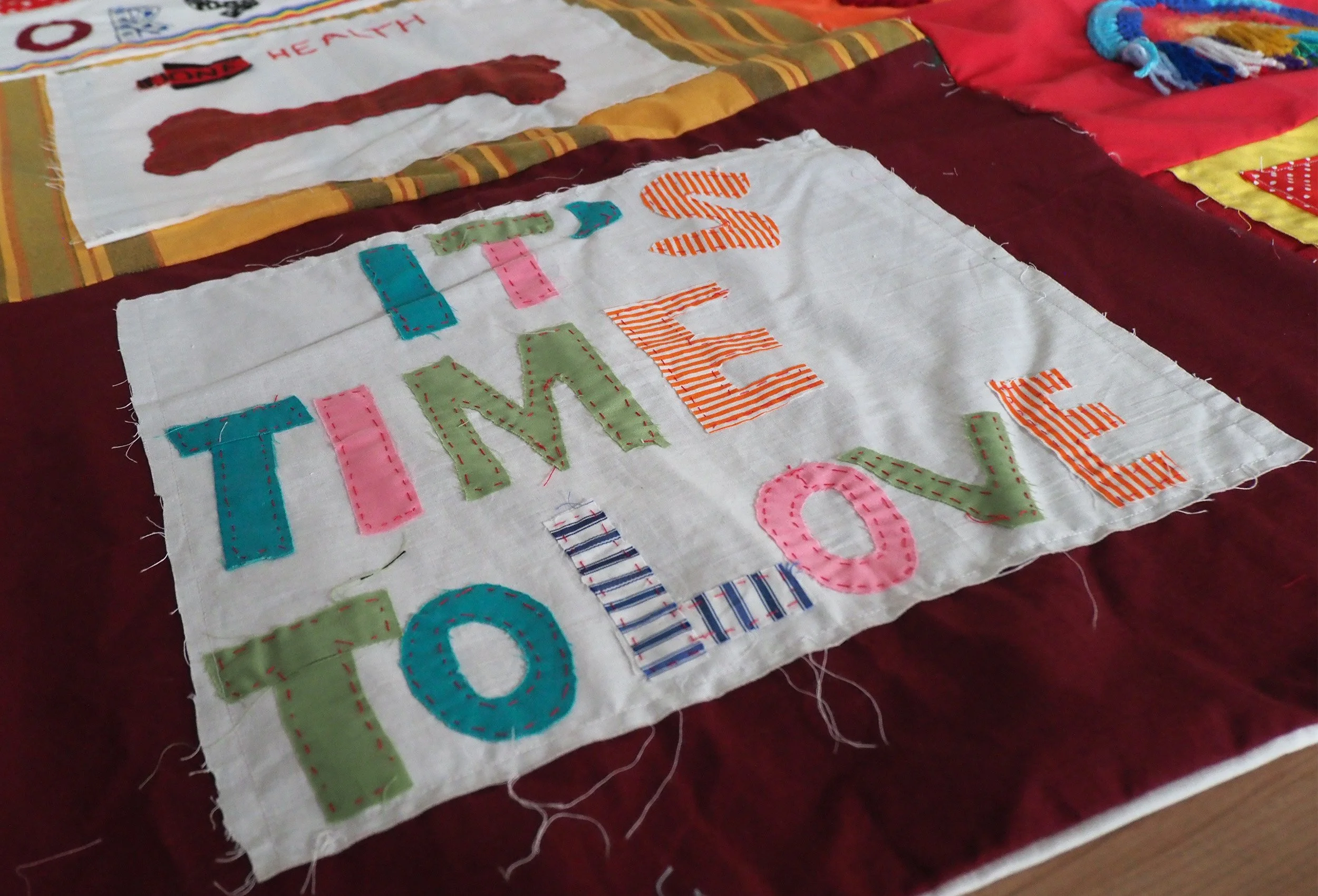
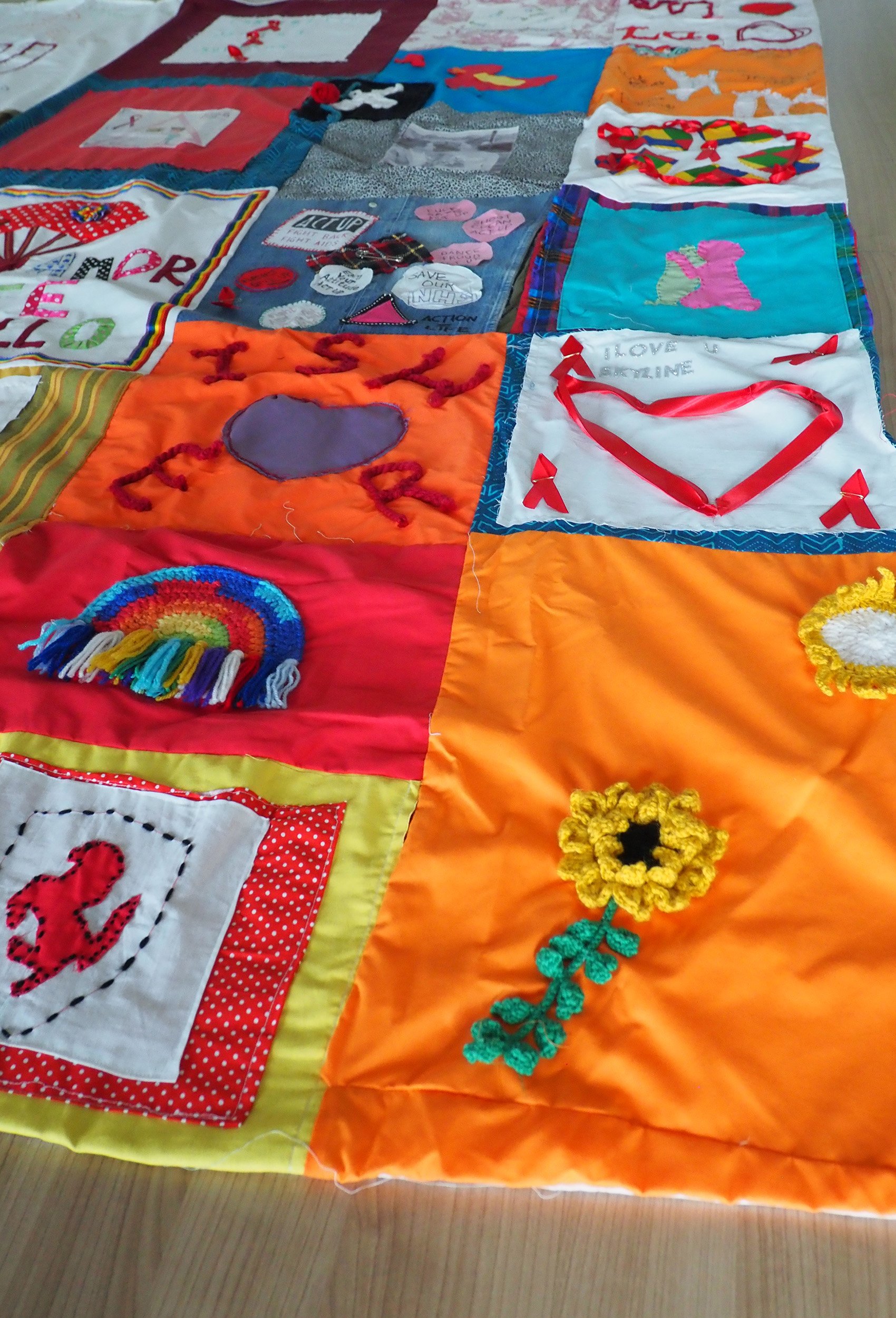
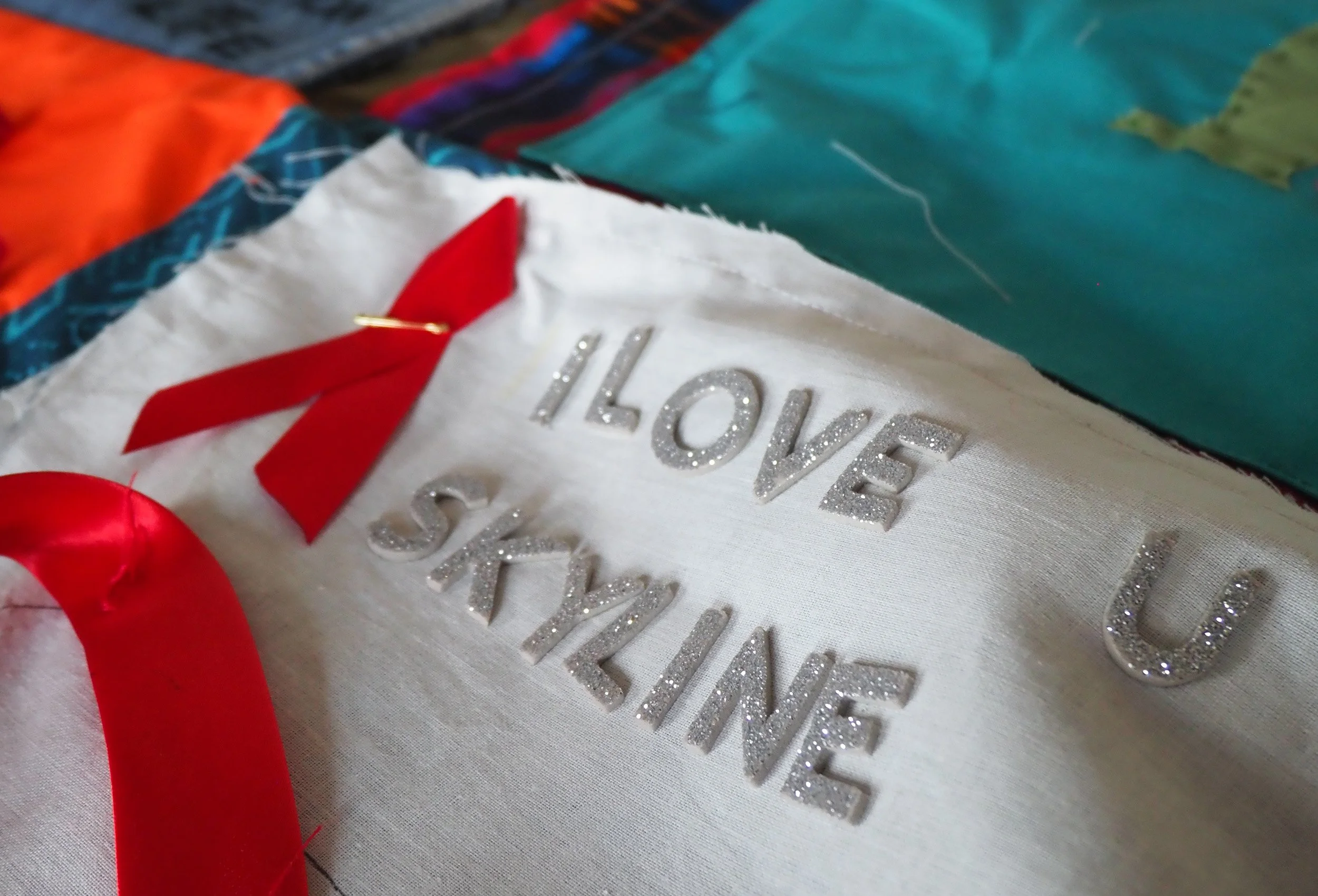
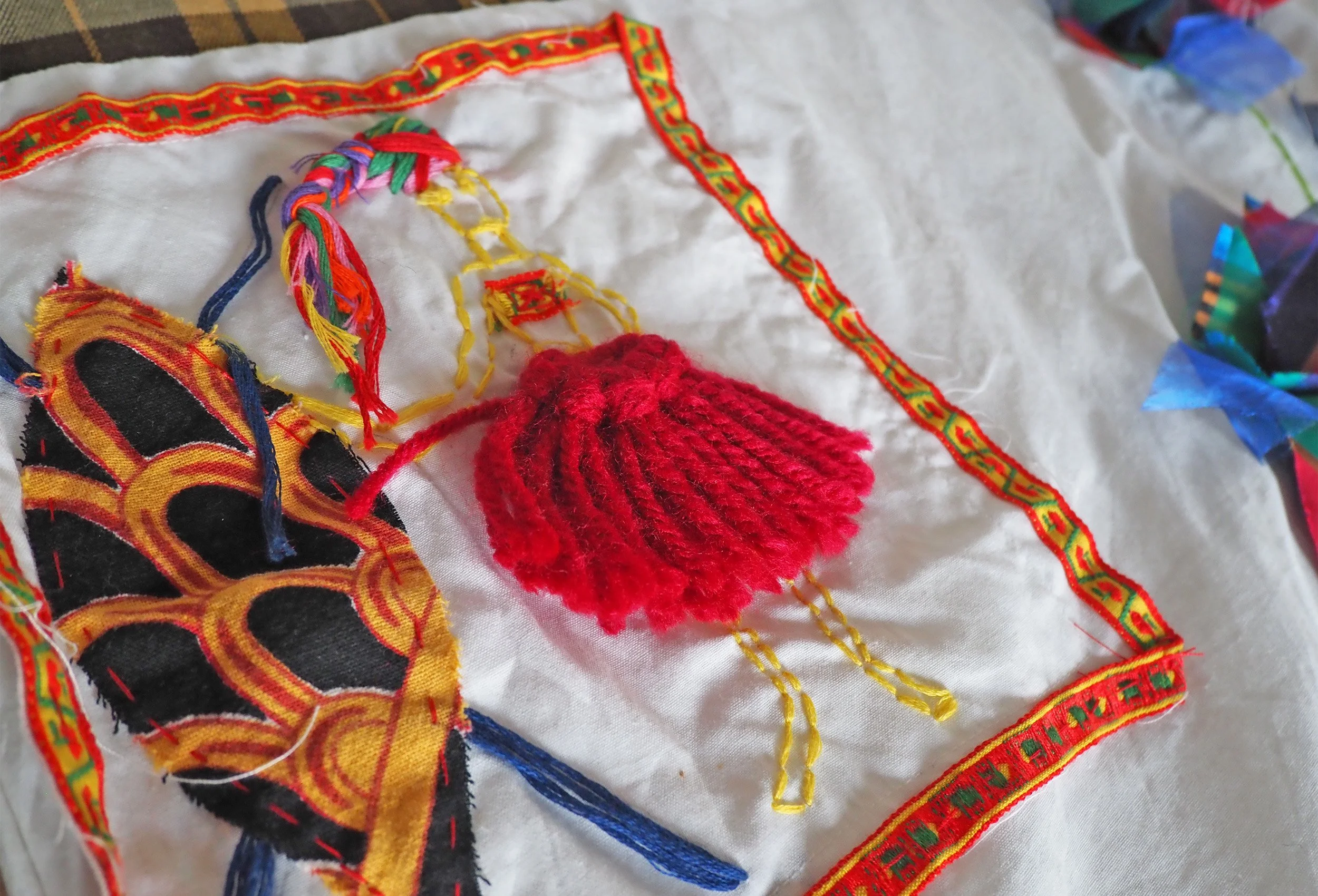
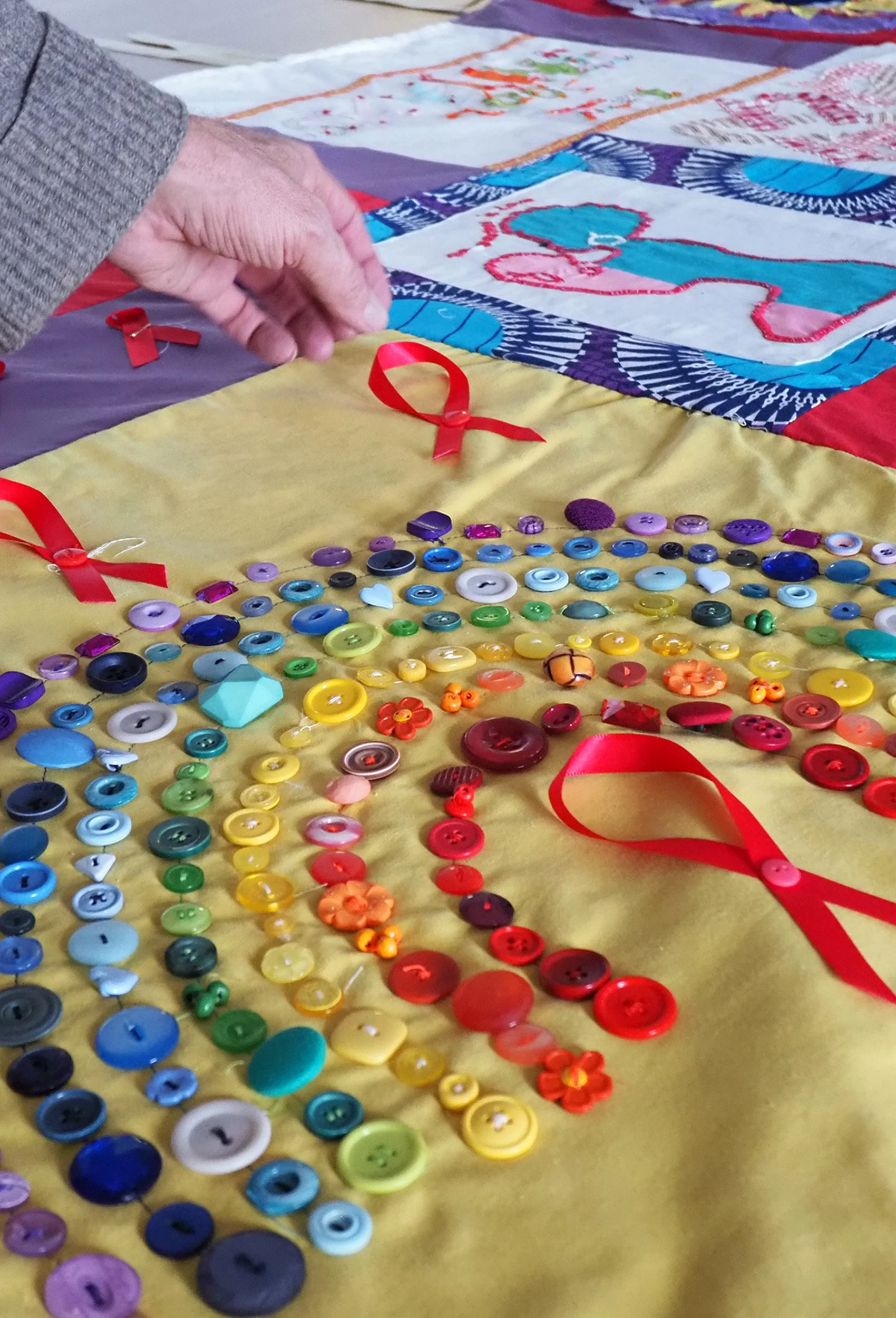
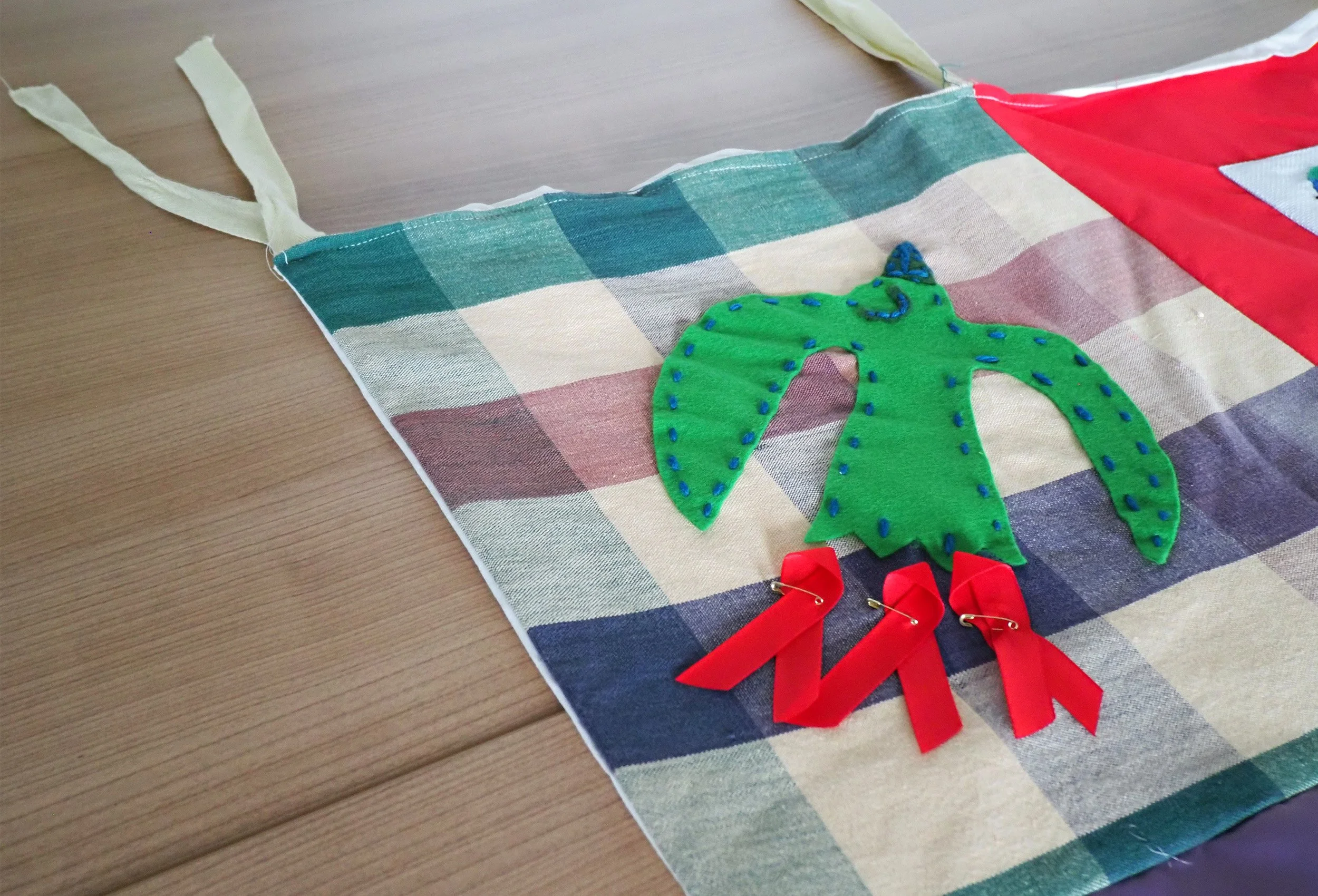
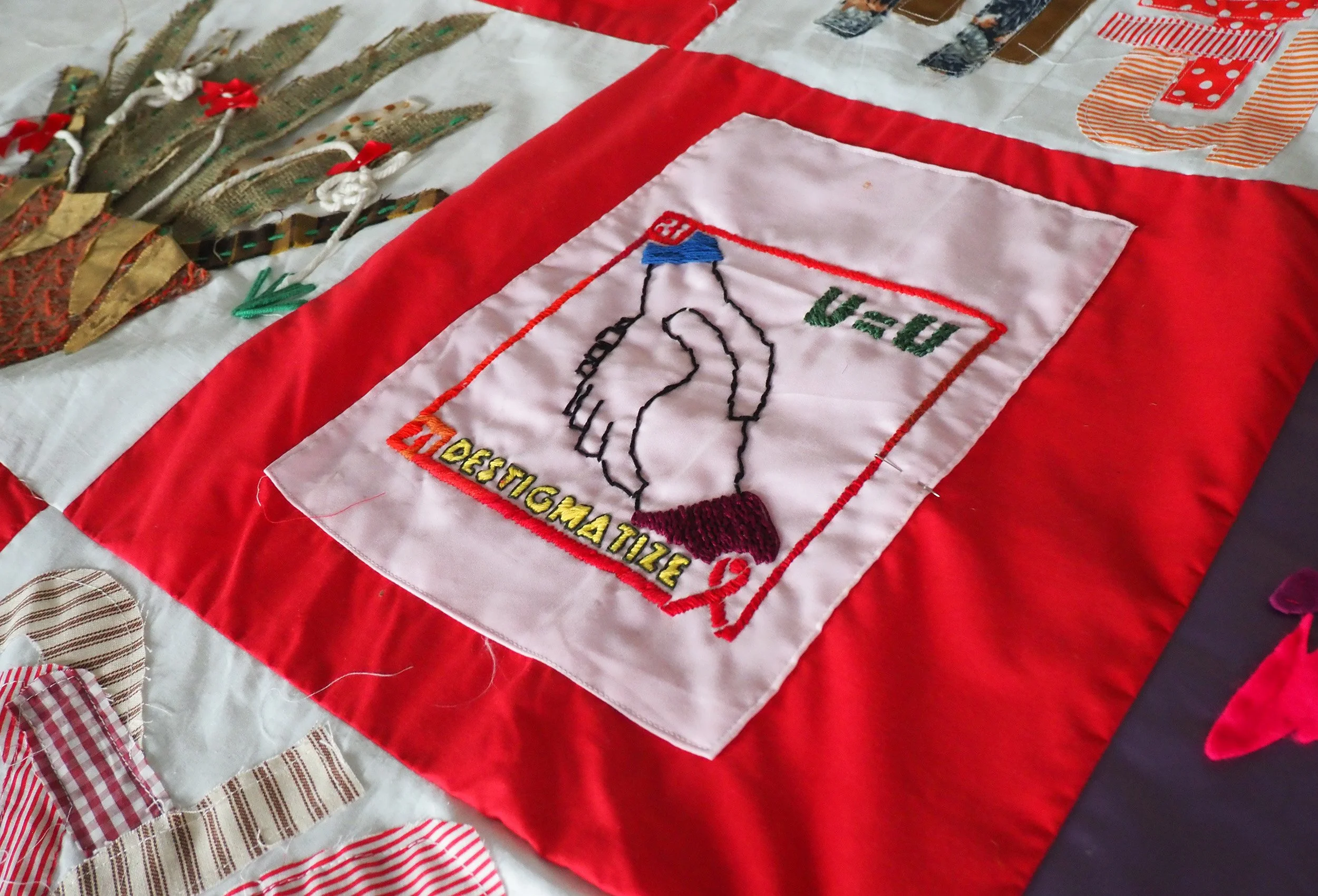
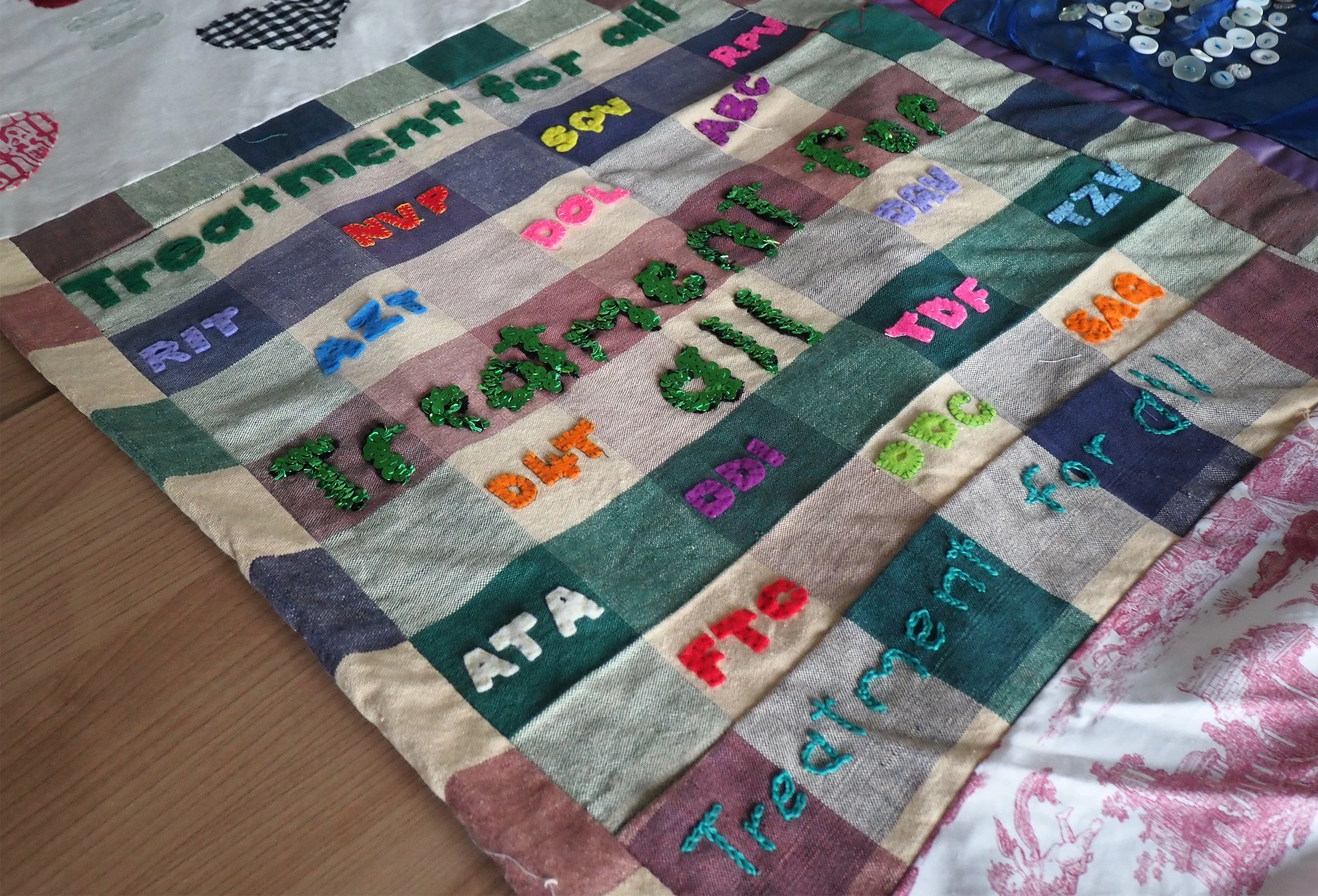
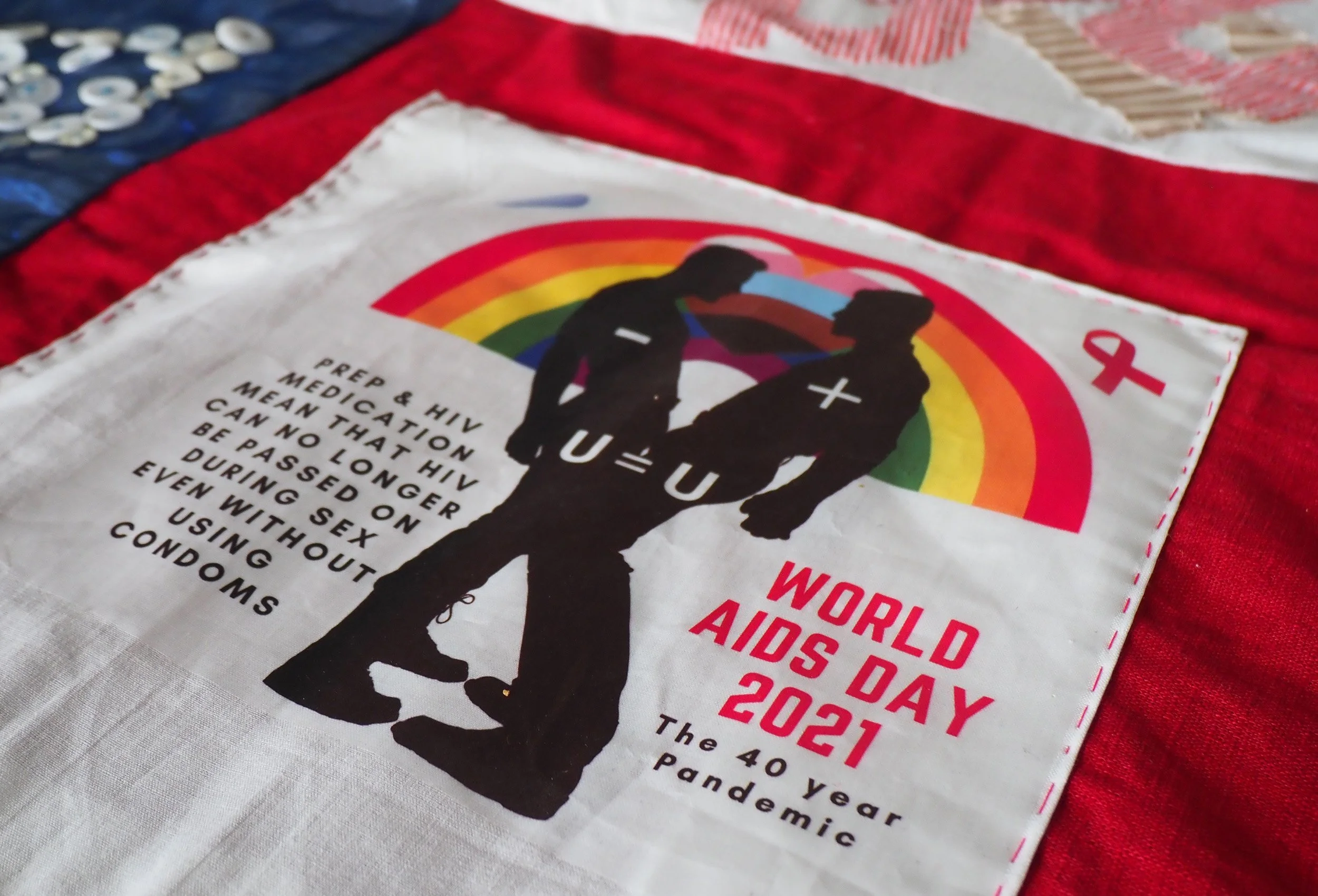
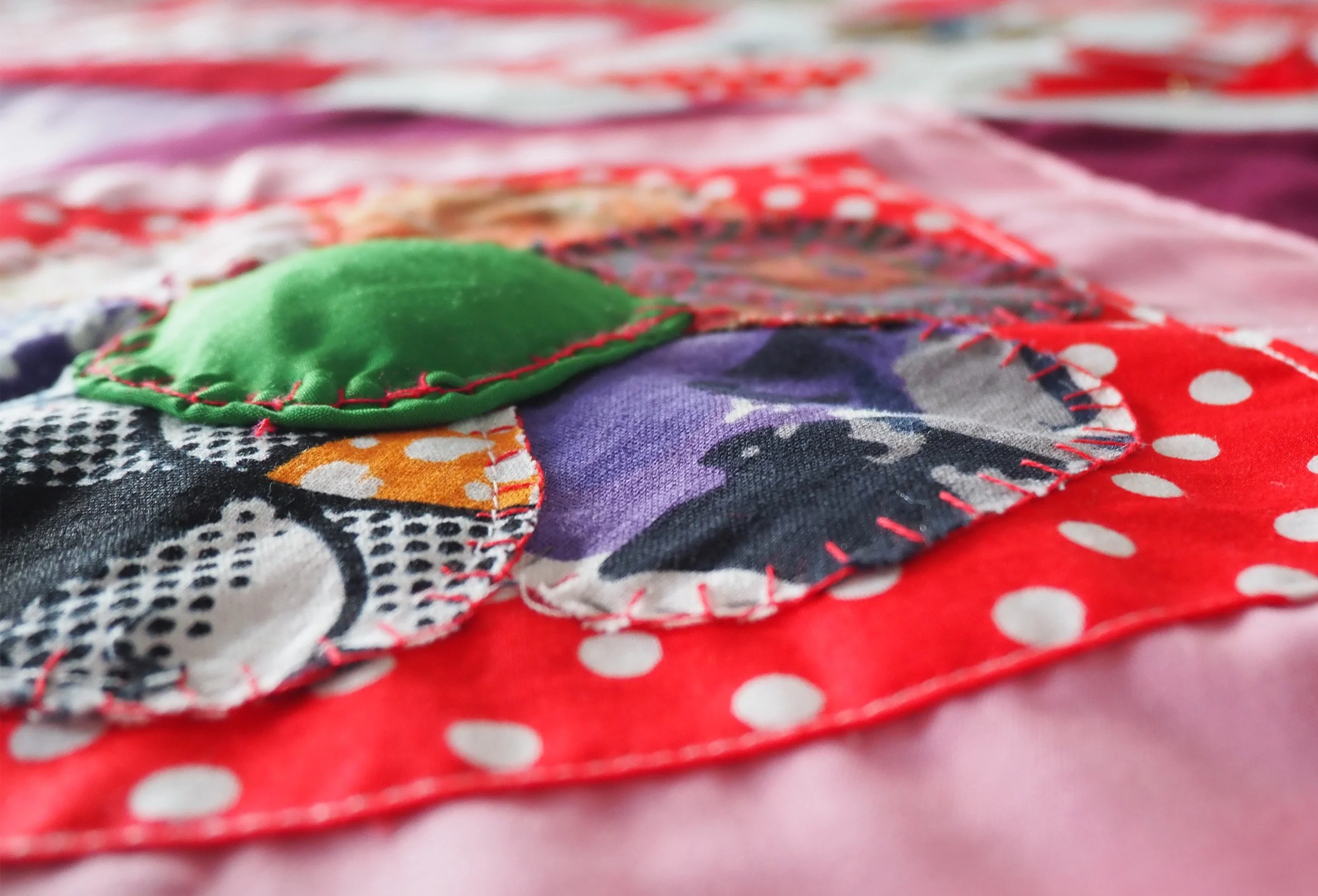
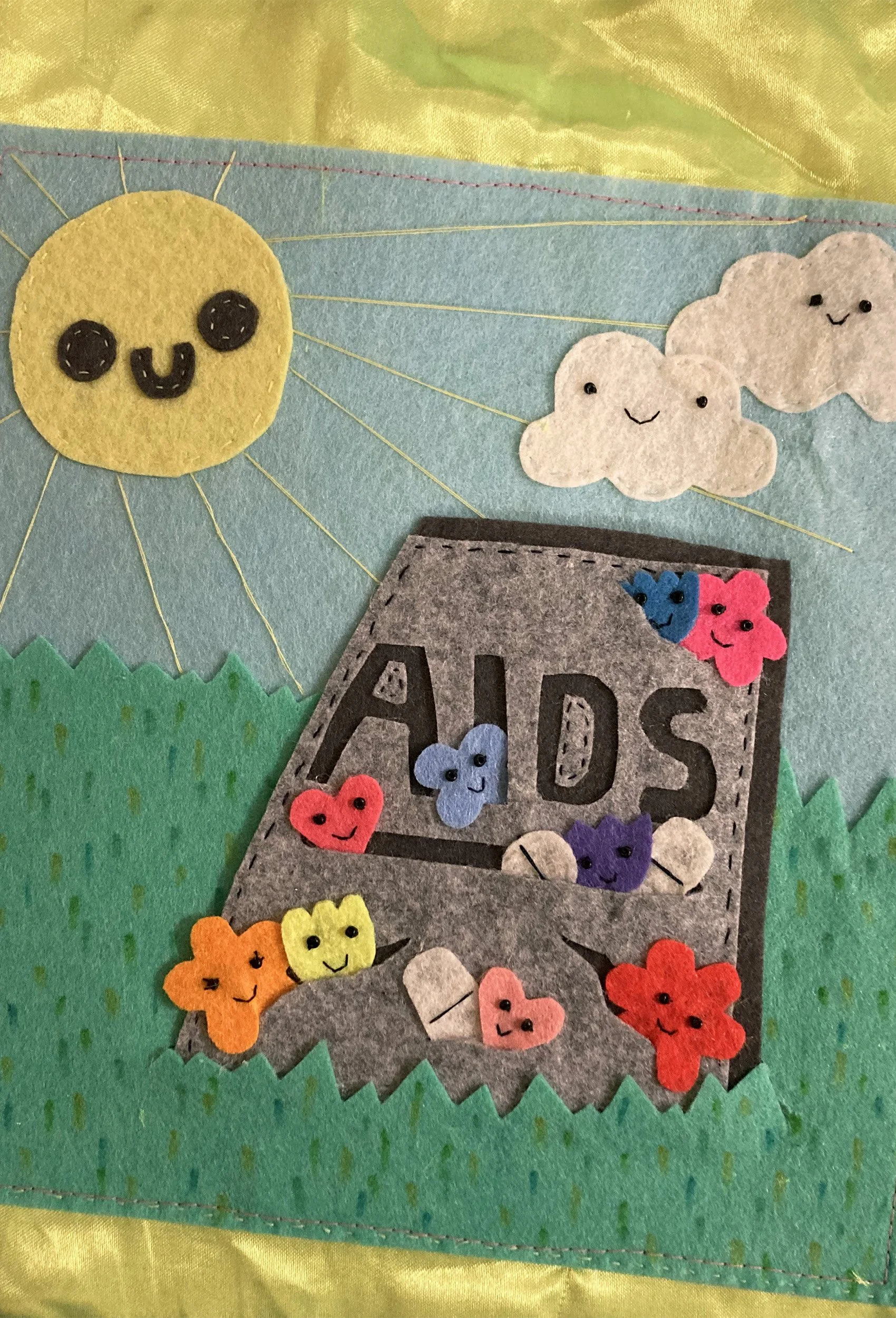
These workshops became spaces of conversation and reflection. Participants were invited to stitch their stories whether personal or collective into fabric panels that spoke of survival, treatment, love, pride, and hope. What emerged was not only remembrance, but celebration: of life extended, of strength reclaimed, of futures once unimaginable.
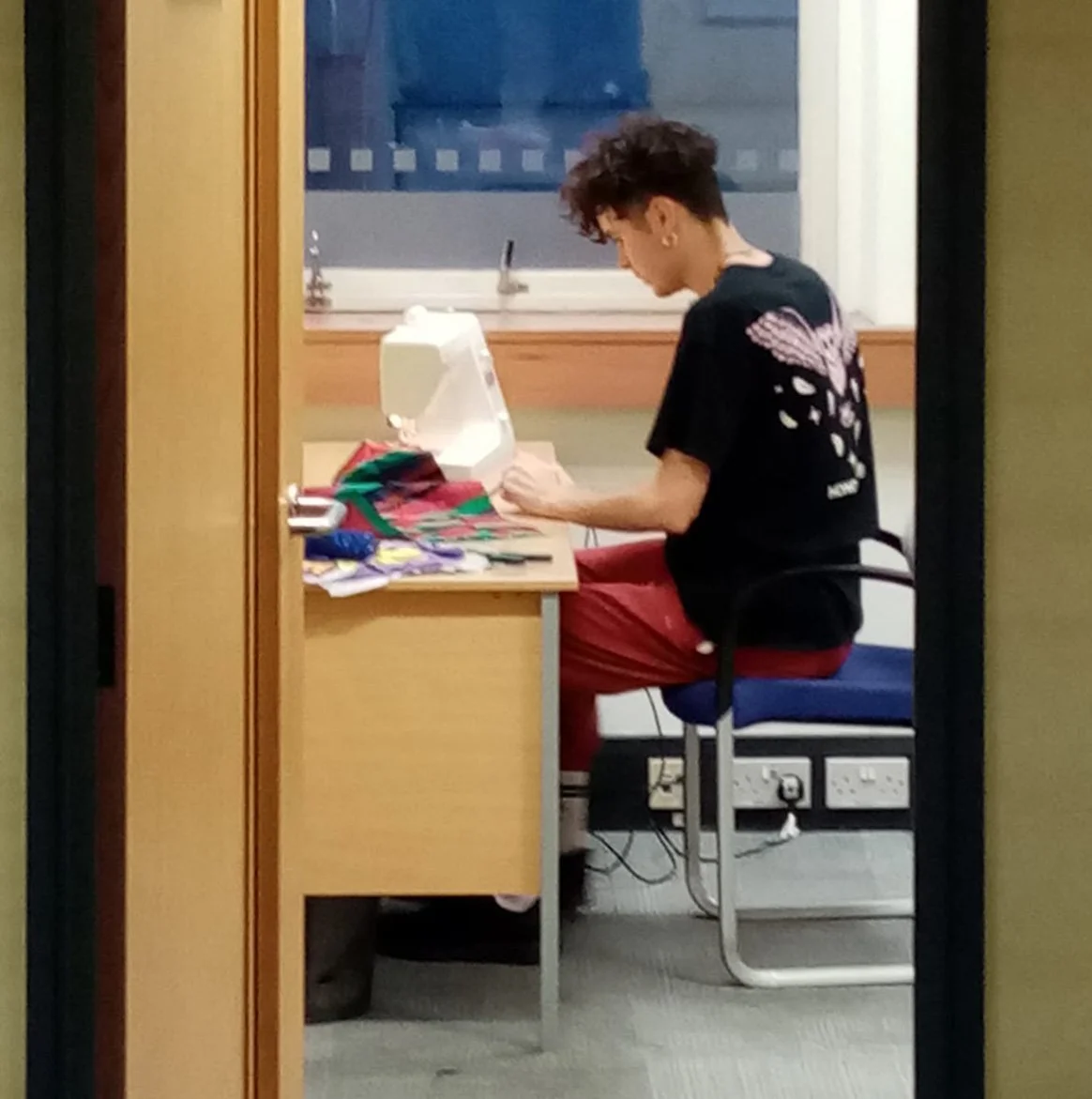
The response was overwhelming. The workshops filled with people sewing, talking, remembering, and sharing stories as their hands worked cloth into meaning. From this collective energy, enough panels were created to form two full quilts, each one a testament to connection, care, and lived history.
Recognising the significance of what had emerged, I approached the Thackray Medical Museum about displaying the quilts. They generously agreed, and the works were installed in the museum’s public health gallery, where they were met with deep engagement from visitors. What began as a six-month loan soon extended to a further eighteen months, and the quilts have now found a lasting home as part of the museum’s permanent collection.
Stitching Survival, Memory and Hope
Quilt 1
Quilt 2

A condensed timeline of HIV / AIDS history in UK and Leeds:/
EXPLORE
❱